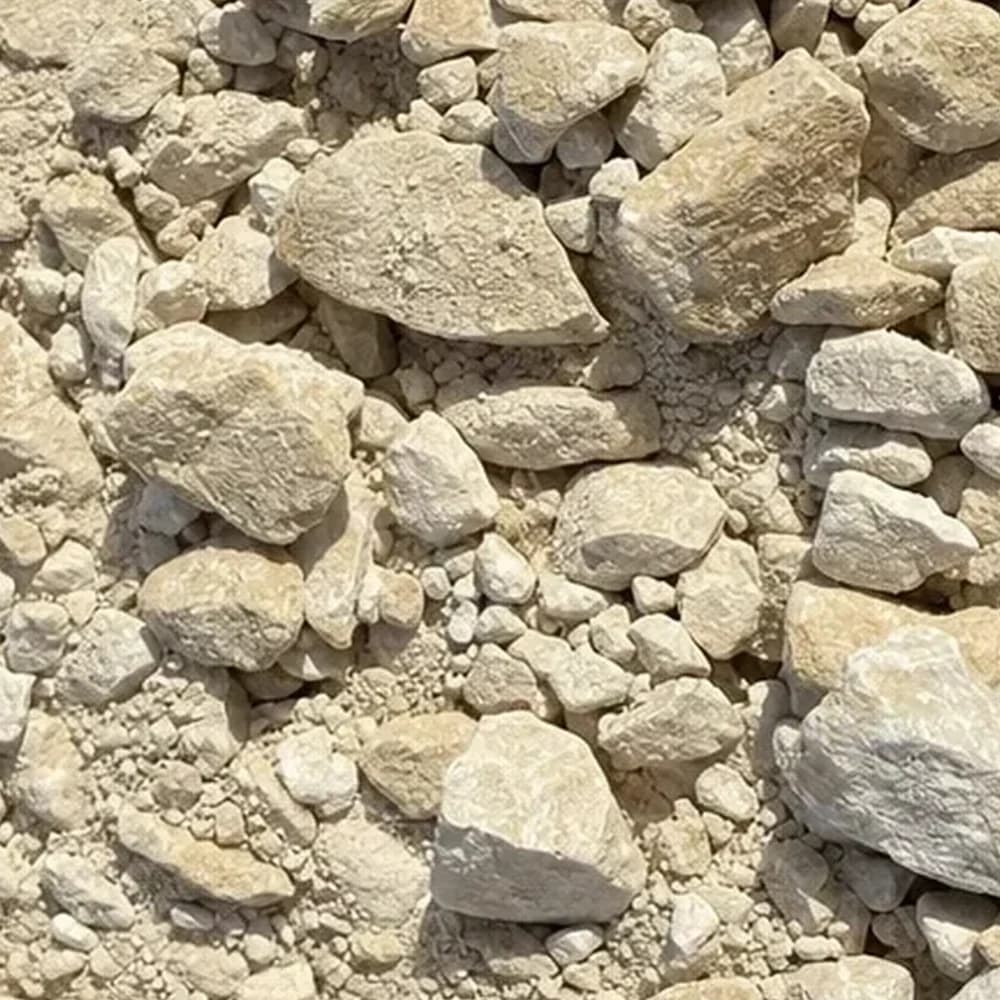
Crusher run calculator for Kansas
A pavement-style base that is figured at its finished compacted depth, not by loose material estimates.
Enter your project dimensions
In the truck, crusher run is loose; after compaction it tightens by 10-15%. If you order only to the depth measured, the finished base can end up half an inch shy. This calculator therefore has a +10% allowance selected. You may hear this material called 1 Inch Minus, screened base, shoulder rock in Kansas, or 2 inch minus on some tickets. Each name refers to crushed stone with fines included. A cubic yard weighs about 3,000 lb, and those fines help the rock lock together so tires do not push the surface aside.
Order for compacted depth
- For the footprint, use feet: multiply a lane's length by its width, or enter the pad dimensions.
- Enter the needed compacted depth: use 4 inches for paths and pavers, 4-6 for driveways, and 6-8 beneath trucks.
- To find yards, divide cubic feet by 27; multiply that result by 1.5 for tons. Leave the +10% selected, since specifications refer to the rolled layer rather than the loose material.
Tons and coverage
| Compacted depth | 1 cubic yard covers | 1 ton covers |
|---|---|---|
| 2 inches | 162 sq ft | ≈ 108 sq ft |
| 4 inches | 81 sq ft | ≈ 54 sq ft |
| 6 inches | 54 sq ft | ≈ 36 sq ft |
| 8 inches | 41 sq ft | ≈ 27 sq ft |
Uses and limits
- Driveway base should finish at 4-6 inches compacted. Add 2-3 inches of #57 or driveway gravel above it for the driving surface.
- For a low-cost rural lane, crusher run can serve as the driving layer. It will create dust in summer and needs regrading every 2-4 years.
- For paver and slab work, make the base 4 inches and compact it in 2-inch lifts. The Paver Base Calculator covers the complete paver stack.
- Shed and hot-tub pads need 4 inches on stripped ground, increasing to 6 on soft soil.
- Keep crusher run out of a French drain. Its fines help it bind but also retain water, while clean #57 or drain rock is intended for drainage.
Example: a 20 x 10 parking pad
For a compacted 4-inch layer over two hundred square feet, the calculation is 200 x 0.333 = 67 cubic feet = 2.5 cubic yards, or 3.7 tons. Include the allowance and order 4 tons. Place and compact half the material first, then add the remaining half and compact it again. Two 2-inch lifts can last years longer than one 4-inch pour. Renting a plate compactor for the afternoon costs less than repairing the first pothole. By the second delivery, drivers can often see skipped compaction in the ruts.
Delivery guidance
- Schedule the base material and surface stone together so the work can continue without interruption. Delivery is free either way.
- Have the load tipped at the far end, then work back toward the pile. On large pads, spreading downhill takes a full day less than working uphill.
- Before compacting, lightly mist each lift. Damp crusher run packs tighter than dry material.
- Hold back a wheelbarrow-load for patching. Crusher run works for pothole repairs, so a small reserve is useful.
Pricing details
Crusher run contains material from the crushing process rather than washed, sorted stone. On a 4-ton order, keeping the +10% allowance can prevent the need for another half-ton delivery. Check the Crusher Run product page for the per-ton price, look at Road Base for comparison, and order both driveway layers in one free delivery.
Crusher run, 1 Inch Minus, screened base, and shoulder rock: common questions
How much crusher run is needed for a driveway?
What is the weight of a yard of crusher run?
How do crusher run and gravel differ?
Are crush and run and crusher run the same?
Can crusher run serve as the final surface?
How much does crusher run shrink when compacted?
Other calculators
Base tonnage is calculated.
Crusher run sold by the ton, with free delivery.