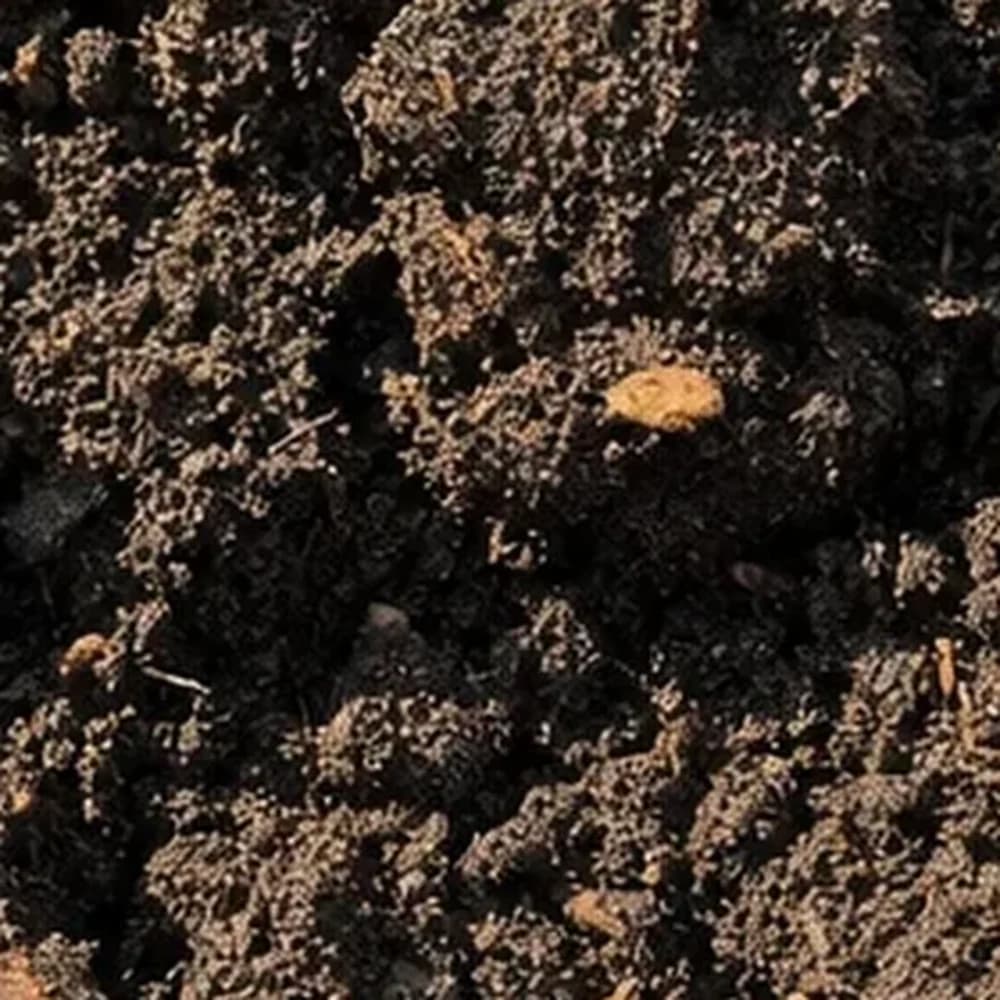
Soil calculator for Kansas
Choose the right soil volume in cubic yards for garden beds, raised planters, and landscape work.
Enter your project dimensions
A 4 x 8 raised bed with a 12 inches fill depth requires 32 cubic feet of soil. That equals 1.2 cubic yards, which is often more soil than a new bed builder expects from a few bags. Use this calculator for any bed, planter, or yard area and select from the three soil types offered. Soil blend changes the weight: garden soil is about 2,000 lb per cubic yard, screened topsoil is 2,200, and fill dirt is 2,400. Choose the material for the project to calculate the tons accurately.
Three steps for bed math
- Record the length and width of every bed or planter in feet. Use multiple-areas mode to combine the entries.
- Use 4-6 inches for existing-bed improvement, 6 inches for a new in-ground bed, and 12 inches to fill an empty raised planter.
- Divide cubic feet by 27 for cubic yards. Estimate tons by multiplying yards x 1.0 to 1.2, according to soil type.
Tons = yards × 1.0 (garden soil) · 1.1 (topsoil) · 1.2 (fill dirt)
Coverage and weight
| Soil type | Weight per cubic yard | Tons per yard |
|---|---|---|
| Garden soil (blended with compost) | ≈ 2,000 lb | 1.00 |
| Topsoil (screened) | ≈ 2,200 lb | 1.10 |
| Fill dirt | ≈ 2,400 lb | 1.20 |
| Depth | 1 cubic yard covers | 3 yards cover |
|---|---|---|
| 2 inches | 162 sq ft | 486 sq ft |
| 4 inches | 81 sq ft | 243 sq ft |
| 6 inches | 54 sq ft | 162 sq ft |
| 12 inches, raised bed | 27 sq ft | 81 sq ft |
Selecting soil for the work
- For vegetables, flowers, and planters, select garden soil blended with compost for planting.
- Use screened topsoil for lawn work and final grade shaping. The Topsoil Calculator provides lawn depths and worked examples.
- Use fill dirt for filling holes and adjusting grade, with growing soil reserved for the planting layer above.
- For worn native ground, blend 2-3 inches of garden soil into the upper 6 inches rather than replacing the entire bed. It uses less material and gives roots a faster start.
Raised-bed fill without excess cost
A deep bed does not need costly blend at every level. For beds above 18 inches, use a less costly lower third of fill dirt or coarse organic matter that composts in place, then keep 8-12 inches of garden soil at the surface for feeding roots. Run this calculator once for each layer. In Kansas, measure the 12 inches planting layer rather than estimating it.
Example: three 4 x 8 beds
For a bed measuring 96 square feet, filled 12 inches deep, allow 96 cubic feet of material. This equals 3.6 cubic yards, or approximately 3.6 tons of garden soil, so order 4 yards. In the first weeks, blended soil can settle roughly 10% as its compost content firms up; use the extra material to restore the beds after settling.
Amending clay and sandy ground
Eastern Kansas clay can remain wet, while sandy ground can lose moisture quickly between watering. In either case, incorporate 2-3 inches of compost-blended garden soil through the top 6 inches and repeat for a couple of seasons. This requires one-third as much material and lifting as replacing the bed completely. As roots and worms move through the soil, the amended layer develops farther down. Full-depth replacement is best limited to beds with construction debris or contamination in the native ground.
Bulk soil versus bags
A cubic yard is about 36 bags at 40 lb. One raised bed can already require 43 bags, meaning 43 bags loaded twice. Bulk costs less per cubic foot and arrives in one tip with free delivery. Bags are better reserved for topping one planter. Ask for the pile on a tarp: soil can stain concrete, and cleanup is easier when the tarp can be dragged and folded.
Soil amounts for beds and bags
How much soil is needed for a 4x8 raised bed?
How do garden soil, topsoil, and fill dirt differ?
How many soil bags equal a cubic yard?
How many yards of dirt are required for beds?
Will bulk soil settle after filling?
Can delivered garden soil be planted in directly?
Other calculators
Ready to calculate soil quantities?
Order garden soil, topsoil, or fill dirt by the yard, with free delivery included.